
Ecomobi Safety Class: Why You Must NEVER Use a Lead-Acid Charger for Lithium Batteries
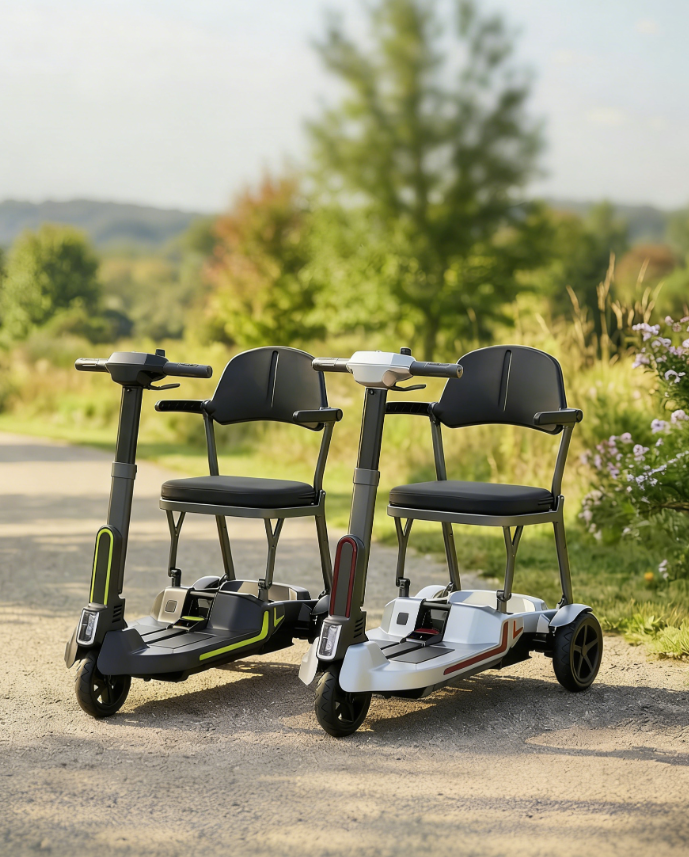
At Ecomobi, we are committed to delivering the most advanced mobility technology directly into your hands. Our flagship series—the MS02 Series, T500, and M1 Series—are powered by high-energy-density Lithium-ion Batteries.
Compared to traditional, heavy lead-acid batteries, lithium batteries are lighter, charge more efficiently, and have a significantly longer cycle life. They are the heart of a modern, high-quality electric scooter. However, we often hear this question in our after-sales consultations:
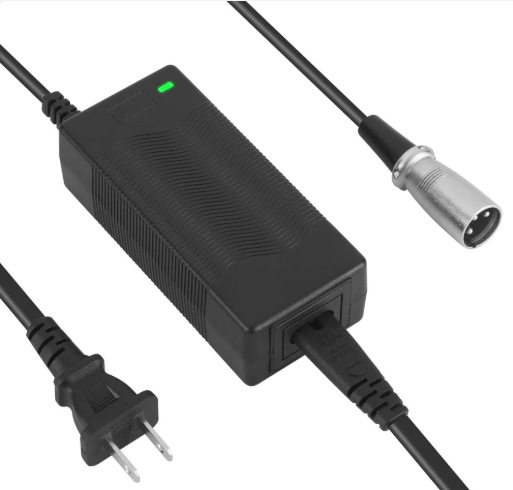
"I have an old charger from my previous scooter. The plug looks exactly the same and fits perfectly into the port. Can I use it to charge my new Ecomobi?"
Ecomobi Official Warning: Absolutely not! This "mix-and-match" approach will not only severely damage your battery life but also poses a serious fire hazard. Today, we will break down the "technical chasm" that makes these two systems incompatible.
1. Opposing Charging Logics
Charging a battery is not simply "pouring current" into a container; it is a precision-controlled chemical game.
🛵The "Coarse Management" of Lead-Acid Chargers: Lead-acid batteries are relatively robust. Their chargers typically use a "three-stage" design. To remove sulfate crystals from the plates (a process called desulfation), these chargers generate high-voltage pulses at certain stages. While this is a "healing medicine" for lead-acid batteries, it is "lethal poison" for lithium batteries.
The "Lab-Grade Precision" of Lithium Chargers: Lithium batteries are highly sensitive and require an extremely stable CC/CV (Constant Current/Constant Voltage) mode. As the battery nears full capacity, the charger must be sensitive enough to detect millivolt-level changes in voltage and immediately reduce the current until it cuts off completely.
he Consequence: The pulse current from a lead-acid charger acts like a "sledgehammer," repeatedly striking the delicate electrolyte and separators inside the lithium battery. This causes internal resistance to skyrocket. A scooter that originally traveled 20 miles on a full charge might see its range drop to just 5 miles after a few months of improper charging.
2.Cut-off Voltage: The Fatal "Last Mile"
🔥This is the root cause of frequent safety accidents.
Lead-Acid "Trickle Charging":Once a lead-acid battery is full, the charger enters a "float charge" stage, continuously outputting a higher voltage to compensate for self-discharge.
The Lithium "Voltage Red Line":Lithium batteries have a strict maximum voltage limit (typically $4.2V$ per cell). Crossing this red line triggers an irreversible chemical reaction, generating intense heat and gas, which leads to a rapid increase in internal pressure.
The Risk: Since the cut-off voltage of a lead-acid charger is generally higher than the limit of a lithium battery, the charger will continue to "force-feed" the battery even after it is full. This leads to overheating, casing bloat (swelling), and internal leakage. In severe cases, it can trigger "thermal runaway," resulting in an uncontrollable fire.

3. The BMS System: Even Smart Managers Get Confused
⚠️Inside every Ecomobi lithium battery sits a brilliant brain—the BMS (Battery Management System).
The BMS is responsible for monitoring the health of every single cell to ensure voltage balance. However, the voltage output of a lead-acid charger is often unstable and "noisy," which severely interferes with the sampling accuracy of the BMS.
If the BMS detects irregular current surges or voltage fluctuations, it will force the battery into "Lockdown Protection Mode" to save itself. Once locked, the battery will neither charge nor discharge. While the battery cells might still be functional, you will need to contact the manufacturer for a professional reset/unlock—a process that is time-consuming and may incur additional repair costs.

4.The Ecomobi "Golden Rules" for Battery Maintenance
⚠️To ensure your Ecomobi stays with you longer and takes you further, please follow these maintenance secrets:
Original Only, No Exceptions: Only use the original lithium-specific charger provided with your Ecomobi. Remember: Just because the plug fits doesn't mean the specs match!
The Scientific Charging Sequence:
To Charge: Connect the charger to the scooter/battery first, then plug it into the wall outlet.
To Finish: Unplug the wall outlet first, then disconnect the charger from the vehicle.
This prevents sparks caused by power surges, protecting the metal contacts of your charging port.
Don’t Leave It "Hanging": Although our chargers have an automatic shut-off feature, we strongly recommend removing the power within 1–2 hours after the indicator light turns green. Avoiding a prolonged "full-charge high-pressure" state can extend your battery's cycle life by up to 20%.
Temperature Control: Lithium batteries hate extreme temperatures. Please charge in a dry, ventilated indoor environment between 18°C and 26°C (64°F - 79°F). Never charge in a car under direct sunlight or in a damp basement.
5. Ecomobi Warm Tip:
🛡️Safety is the best gift you can give your family. If you notice a damaged charger casing, aging cables, or an unusual smell from the battery, stop using it immediately and contact our official support team.


Leave a comment
This site is protected by hCaptcha and the hCaptcha Privacy Policy and Terms of Service apply.